

Have you ever wondered whether pursuing Social Work in Turkey could be the step that truly transforms your academic and professional future? With its advanced programs, multicultural environment, and strong practical training, Turkey offers a unique path for students passionate about helping individuals and communities.
If you want to understand costs, requirements, universities, and future opportunities in this field, keep reading to explore everything you need to know about Social Work in Turkey!
What Is the Social Work Major?
The Social Work major in Turkey is a humanitarian field that combines academic study with direct impact on people’s lives. This discipline focuses on improving individual and social well-being, teaching students how to support individuals and families facing challenges such as poverty, disability, or mental health disorders.
During the study of social work, students learn the fundamental principles of social work and delve into subjects like psychology, education, professional ethics, social legislation, and the economics of the service sector. This theoretical foundation is reinforced by practical experience through field training and interaction with real-life cases.
If you are looking for a study path that combines humanitarian values with diverse career opportunities, social work is a major worth considering.
Advantages of Studying Social Work in Turkey
The advantages of studying social work in Turkey include the following:
- Availability of academic programs taught in both Turkish and English.
- Advanced curricula that keep pace with the contemporary needs of societies.
- Highly qualified and experienced teaching staff.
- Strong emphasis on fieldwork and practical training.
- Reasonable costs compared to other European countries.
- Opportunities for collaboration and research with social institutions and non-profit organizations.
- Cultural diversity that enriches the academic and personal experience of students.
- Availability of job opportunities after graduation both in Turkey and abroad.
Read More: Social Work vs Sociology: Which Program is Right for You?
Language and Duration of Studying Social Work in Turkey
Regarding the language and duration of studying the Social Work major in Turkey:
- Programs are available in both Turkish and English.
- The duration of undergraduate studies to obtain a bachelor’s degree is four years.
- Some universities offer diploma programs lasting two years.
- Master’s programs are available, ranging from two to three years depending on the type of program (with or without thesis).
- Doctoral programs typically take three to five years.
If you need free university admission assistance, contact us now, and we will guide you step by step.

Departments of the Social Work Major in Turkish Universities
At Directly Education, we have compiled the most prominent departments of the Social Work major in Turkish universities, which include:
- Psychology and Sociology
- Social Work Legislation
- Human Behavior and Social Environment
- Social Security
- Social Policy
- Theories of Social Work for Family and Child
- Social Work for People with Disabilities
- Planning Care and Rehabilitation for People with Disabilities
- Basic Concepts of Law
- Social Services for Migrants
- Social Anthropology
- Disorders and Mental Health
Read More: A Guide to Studying a Master’s in Clinical Psychology in Turkey
Courses and Subjects of the Social Work Major in Turkish Universities
The courses and subjects of the Social Work major in Turkish universities include:
- Introduction to Social Work
- Social Work Methodologies
- Applied Social Sciences
- Psychology
- Education
- Ethics
- Legal Foundations of Social Work
- Social Economics
- Social Law
- Management and Planning in Social Services
- Assessment and Intervention in Social Cases
- Research in Social Work
Top Turkish Universities for Studying Social Work
Now is the time to explore the best Turkish universities for studying the Social Work major in 2026 – 2027, known for their high-quality academic programs, practical training opportunities, and comprehensive student support throughout their educational journey. These include:
- Istanbul Gelişim University:
Offers a balanced program combining theoretical knowledge with practical training, focusing on contemporary social issues and preparing students for the job market. - Üsküdar University:
Distinguished by its emphasis on the psychological and social aspects of the program, providing a comprehensive learning environment supported by experts in psychology and social work. - Near East University – Cyprus:
Provides a multicultural education with research and training opportunities in social institutions, giving students strong field experience. - Bahçeşehir Cyprus University:
Focuses on preparing social work specialists capable of operating in both local and international environments through modern programs and advanced professional curricula.
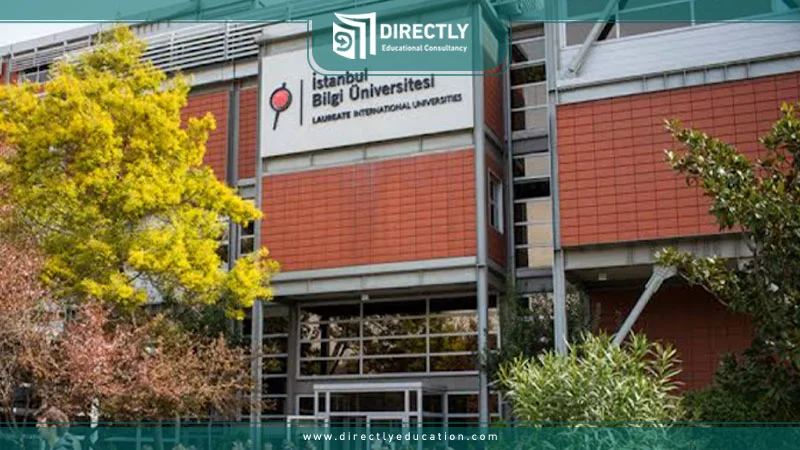
Admission Requirements for Studying Social Work in Turkey in 2026 – 2027
If you are now wondering about the admission requirements for studying social work in Turkey in 2026 – 2027, here are the key criteria to be aware of, whether you are considering applying to private or public universities:
Admission Requirements for Studying Social Work in Private Universities in Turkey
The main requirements for studying social work in private Turkish universities include:
- Obtaining an acceptable high school GPA, typically lower than the requirements of public universities.
- Passing language proficiency tests if the program is offered in a non-native language.
- Paying registration and tuition fees, which vary from one university to another.
Admission Requirements for Studying Social Work in Public Universities in Turkey
The admission requirements for studying social work in public Turkish universities include:
- Achieving a high GPA in high school due to strong competition.
- Providing proof of language proficiency in the language of instruction for the program.
- Passing the Turkish university entrance exam (YÖS) or other recognized international exams.
Admission Rate for the Social Work Major in Turkish Universities
The admission rate for the Social Work major in Turkey varies between private and public universities, with public universities generally having higher requirements. A competitive high school GPA is required, typically starting from 60% and reaching 80% or higher in the most selective universities.
Some universities may also require a personal interview or a motivation letter as part of the admission process.
Costs of Studying the Social Work Major in Turkish Universities
The cost of studying the Social Work major in Turkish universities typically ranges between $2,000 and $4,000 per year, depending on the university, study language, and academic level.
These fees may be significantly reduced when applying through Directly Education, thanks to exclusive tuition discounts offered to our students.
What Are the Career Opportunities for Social Work Graduates?
Some may think that career opportunities for graduates of the Social Work major in Turkey are limited, but the reality is quite the opposite. Career opportunities for social work graduates include:
- Government Social Services: Working in ministries and public institutions concerned with social affairs.
- Non-Governmental Organizations (NGOs): Working with charitable associations and non-profit organizations that provide support to vulnerable groups.
- Healthcare Institutions: Working in hospitals, mental health centers, and rehabilitation centers.
- Schools and Universities: Serving as a social worker supporting students in educational environments.
- Care Centers: Working in child, youth, and elderly care facilities.
- Private Sector: Employment in companies offering social care programs and employee support initiatives.
Read More: Master of Psychology in Turkey: Everything you need to know before applying!

Job Opportunities and Careers for Social Work Graduates
You may wonder after completing your studies in this important humanitarian field: what career opportunities can you pursue after graduation? Here are the top career paths and job opportunities for graduates of the Social Work major in Turkey:
- Social Worker: Working with individuals and groups to address personal and social challenges.
- Case Manager: Providing support, guidance, and rehabilitation resources for people facing social and health difficulties.
- Family Counselor: Offering counseling and support for families and couples.
- Community Development Specialist: Working on the development and improvement of local communities.
- Social Program Coordinator: Designing and implementing programs that support various social groups.
- Social Policy Analyst: Developing and evaluating social policies to improve societal well-being.
Salaries of Social Work Graduates in Turkey
The salaries of Social Work major graduates in Turkey vary depending on experience, field, and employer. They can be summarized as follows:
Fresh graduates: Salaries typically start from 18,000 to 23,000 TL per month.
Experienced professionals (3–7 years): Monthly salaries often range between 25,000 and 35,000 TL.
Senior, managerial, or specialized roles: Salaries can reach 40,000 TL and above, depending on the institution.
International organizations / major NGOs: Compensation can exceed 45,000–60,000 TL or more, depending on the project and funding source.
Please note: Salaries may vary by city (Istanbul and Ankara are higher), level of specialization, and whether the employer is governmental, private, or international.
How Directly Education Supports You in Studying the Social Work Major in Turkey?
Starting your Social Work journey in Turkey becomes smoother, easier, and more affordable when you have the right guidance. Directly Education provides specialized support designed to help you secure admission and reduce your study costs significantly:
- 80% tuition discount opportunities
- Free academic consultations
- Free application and admission support
- Assistance in preparing required documents
- Guidance in choosing the right university
- Support with scholarship opportunities
- Follow-up until final enrollment
- Help with housing and residence procedures
In the end, choosing Social Work in Turkey opens the door to a meaningful and impactful career built on solid academic training and real-world experience. With its accredited programs, diverse universities, and wide career possibilities, Turkey provides a supportive and enriching environment for future social work professionals.
To receive guidance, fee discounts, and guaranteed support throughout your application journey, contact Directly Education now via WhatsApp and take your first confident step toward studying Social Work in Turkey!


