
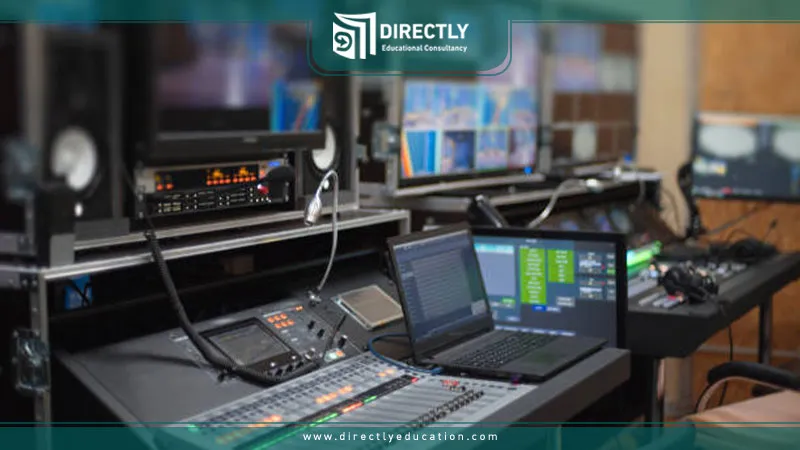
Are you considering the Radio and Television Major in Turkey and wondering whether this field can shape your creative future in media? With a growing industry, modern studios, and hands-on training, Turkey offers one of the most dynamic environments for aspiring media professionals.
To uncover everything you need to know about studying this major—costs, requirements, universities, and career paths—keep reading and explore your full potential in this exciting field!
An Overview of the Radio and Television Major
Studying Radio and Television provides students with a strong foundation in media production, broadcasting techniques, scriptwriting, and audiovisual storytelling. It prepares future media professionals with the technical and creative skills needed to operate in today’s fast-paced media industry:
- Radio and television production
- Scriptwriting basics
- Media law and ethics
- Video editing and post-production
- Directing and filming techniques
- Multimedia storytelling
- Communication theories
- Audience analysis
Advantages of Studying Radio and Television in Turkey
Turkey offers a dynamic environment for Radio and Television students, combining theoretical knowledge with hands-on training in a rich and diverse media landscape. Turkish universities provide programs tailored to the modern industry’s needs:
- Practical training opportunities
- Affordable tuition with scholarship options
- Modern studios and production labs
- Culturally diverse learning environment
- Experienced academic staff
- Strong focus on digital broadcasting
- Internationally recognized degrees
- Internship partnerships with media institutions
Read More: Why Study Radio, Television, and Cinema at Istinye University?
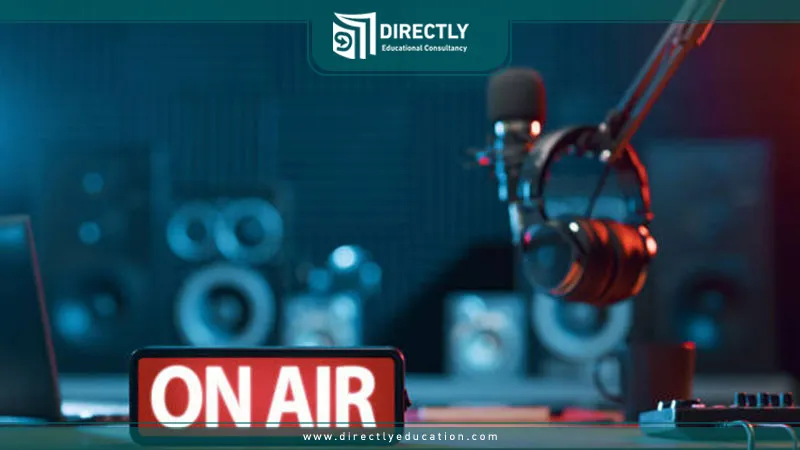
Lessons and contents of the Radio and Television major in Turkey
Here are Lessons and contents of the Radio and Television major in Turkey:
- Media History: You begin by understanding the development of radio, television, and cinema, why they have evolved into their current forms, and the methods they have gone through over time.
- Media Production: You learn how to write scripts, direct scenes, and use cameras and editing techniques to create effective and engaging content.
- Content Analysis: You won’t just create content; you will study its impact on audiences and society, and understand how media messages are shaped and directed.
- Practical Training: You will receive hands-on training inside university studios or real radio and TV stations to gain real-world experience in a media work environment.
Regarding studying in Turkey, Turkish universities offer excellent educational resources, and faculty members are often industry professionals, which enhances the educational value and provides students with practical insight and valuable experience.
Duration of studying Radio and Television in Turkey
The undergraduate program for studying Radio and Television in Turkey typically lasts up to four years. However, if a student requires a preparatory language year, the study duration may extend to five years.
Language of Study for Radio and Television in Turkey
The language of study for Radio and Television undergraduate programs in Turkey can be either Turkish or English.
International students may need to pass language proficiency tests or complete a preparatory year in Turkish or English, depending on the university’s requirements.
Admission Requirements for Studying Radio and Television in Turkey
Turkish universities set a range of basic admission requirements for students wishing to study Radio and Television in Turkey. These requirements vary slightly between public and private universities. Here is a detailed overview of the admission conditions for the Radio and Television program in Turkey:
- High School GPA:
- Public universities: A minimum cumulative GPA of 80%.
- Private universities: A lower threshold, usually no less than 50%.
- Public universities: A minimum cumulative GPA of 80%.
- Academic Aptitude Tests:
- Language Proficiency:
Students must prove proficiency in the language of instruction, either Turkish or English, by providing recognized language certificates or attending a preparatory language year if their proficiency level is insufficient.
These requirements ensure universities select students capable of keeping pace with academic demands in this dynamic and evolving field, enhancing their chances of academic and professional success.
Contact us now to verify your eligibility and receive a free consultation!
Read More: Media at Istanbul Bilgi University: Costs and Requirements
Required Documents for Studying Radio and Television in Turkish Universities
Here is a list of the required documents for studying Radio and Television in Turkish universities:
- A copy of the passport.
- A recent personal photo with a white background is preferred.
- A copy of the high school diploma, translated into Turkish or English and officially certified.
- Language proficiency certificate: If the program is in English or Turkish, proof of language proficiency must be provided through recognized certificates such as TOEFL or IELTS for English, or their equivalents for Turkish like TOMER.
Students are advised to ensure all required documents are complete and keep extra copies before submitting them to the university to avoid any delays that may affect the admission process.
Read More: Study of Journalism and Media in Turkey: Full Guide
The best Turkish universities that study journalism
Here are the best universities for studying Radio and Television in Turkey:
- Istanbul Bilgi University:
Offers a program focused on practical media production using modern techniques and advanced teaching methods. - Middle East Technical University (METU):
Features an academic curriculum combining theory and research in media and mass communication. - Istanbul Aydin University:
Known for providing advanced production studios and field training opportunities in media institutions. - Işık University:
Provides a balanced program that integrates theoretical understanding with practical media content production. - Istanbul Medipol University:
Emphasizes practical training and modern digital technologies in broadcasting and television. - Anadolu University:
A pioneer in distance education and media, offering strong expertise in media and television production. - Istanbul Gelişim University:
Combines academic and practical aspects with training opportunities in partner media organizations. - Istanbul Topkapı University:
Provides modern education with workshops and applied projects in radio and television fields. - Istanbul Yeni Yüzyıl University:
Uses a hands-on teaching approach and offers a training environment simulating the media job market. - Istanbul Okan University:
Integrates media education with practical experience through modern labs and studios. - Nişantaşı University:
Offers a market-oriented program focusing on television production and digital media. - Selçuk University:
Concentrates on academic and practical media training with a comprehensive learning environment.
Get a free university acceptance at one of these institutions ,contact Directly Education now!
Radio and Television Curriculum in Turkey
The courses in the Radio and Television curriculum in Turkey cover a wide and diverse range of subjects designed to build a strong knowledge and skill base for students.
These subjects include both theoretical and practical aspects that help students gain a deep understanding of media and equip them with the necessary tools to succeed in radio, television, and cinema fields. Here is a list of the main courses in this specialization:
- Introduction to Radio and Television: Learning the basics of media work.
- Concepts in Social Sciences: Understanding the social context in which media operates.
- Advertising and Promotion: Studying strategies and techniques of visual and audio advertising.
- Media Culture: Analyzing the impact of media on culture and society.
- Television Production Design: Techniques for designing and producing TV programs.
- Story and Dialogue Writing: Developing scriptwriting and dialogue skills.
- Media and Communications: Studying communication tools across multimedia platforms.
- Visual Culture: Analyzing visual content and its effects.
- Editing: Professional video editing skills.
- Scriptwriting: Fundamental principles of media script construction.
- Communication Culture: Understanding communication methods in society.
- History of Communication Media: Evolution of media and communication over time.
- Audio Production: Techniques for producing radio materials.
- Image Editing: Using image editing tools in media.
- History of Turkish Cinema: Exploring the development of cinema in Turkey.
- Film and Media Criticism: Analyzing and evaluating media works.
- History of Political Thought: The relationship between media and political trends.
These courses form the core of studying Radio and Television in Turkey, preparing students for successful careers in the media industry.
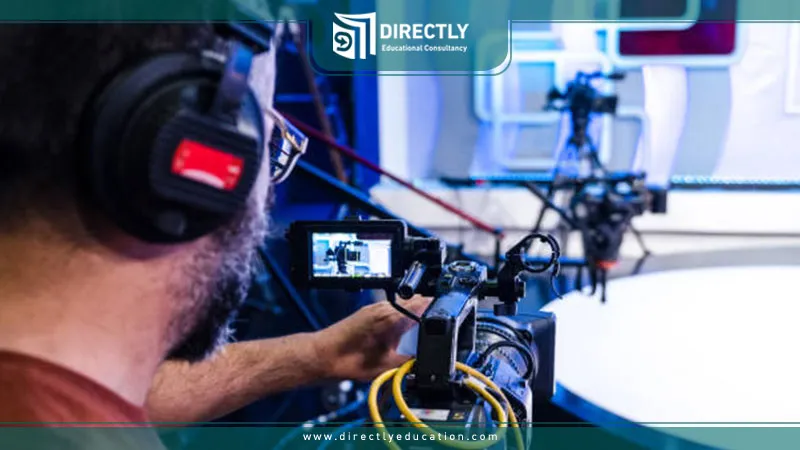
Job Titles for Graduates of Radio and Television Faculties in Turkey
Graduates of Radio and Television faculties in Turkey obtain a variety of job titles that qualify them to work in diverse media fields. Here is a list of some common job titles for Radio and Television graduates in Turkey:
- Screenwriter: Responsible for writing scripts and screenplays for films and TV programs.
- Editor-in-Chief: Manages editorial operations of media productions such as shows and news.
- Director of Photography: Oversees all aspects of filming in television and cinema productions.
- Sound Manager: Responsible for the quality and editing of audio in media productions.
- Producer: Plans, organizes, and produces media content.
- Cameraperson: Specializes in capturing photos and recording videos for events and programs.
- Reporter: Gathers information and covers events for radio or television.
- News Editor: Prepares and edits news content for news broadcasts.
- Copywriter: Writes content and texts for various programs or advertisements.
- Editing Operator: Manages video and audio editing operations in studios.
- Radio Presenter: Hosts radio programs and interacts with the audience.
- Technical Director: Supervises the technical and creative aspects of media productions.
These roles reflect the professional opportunities available for those studying Radio and Television in Turkey.
Read More: Studying Modern Media and Communication in Turkey: Costs, Universities, and Courses
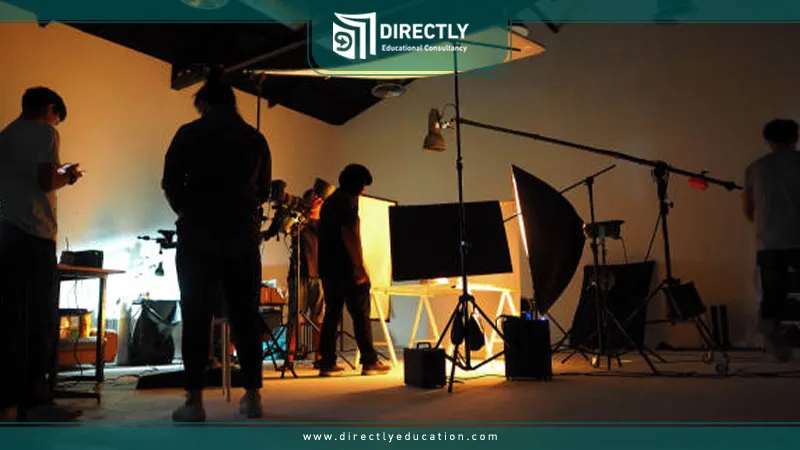
Cost of Studying Radio and Television in Turkey
The cost of studying Radio and Television in Turkey generally ranges from $1,400 to $3,500 per year, depending on the university, the language of instruction, and the academic level of the program.
These amounts may become significantly lower when applying through Directly Education, thanks to the exclusive tuition discounts offered to students.
Graduate Studies in Radio and Television in Turkey
Graduate programs in Radio and Television in Turkey offer excellent opportunities for students to deepen their knowledge and develop skills across various media-related fields. These programs aim to prepare students to contribute effectively to the media industry, both theoretically and practically.
They equip graduates with advanced tools and specific skills that can enhance their professional careers in diverse areas within the media industry and academic research, enabling them to make significant contributions to the field.
Career Opportunities for Graduates of the Radio and Television Department in Turkey
Graduates of the Radio and Television department in Turkey have diverse career opportunities, opening wide horizons for work in various fields within and beyond the media industry. Here is a list of the main career fields for graduates of this specialization:
- Production Companies: Working in film, series, and visual content production.
- Television Channels: In production, editing, or management departments.
- Press Institutions: As editors, reporters, or news managers.
- Broadcasting Authorities: Operating and managing TV and radio broadcasts.
- Content Agencies: Developing content for digital platforms.
- News Agencies: Collecting and distributing news.
- Newspapers: Preparing reports and media articles.
- Radio Channels: Working as broadcasters, sound editors, or program managers.
- Media Consulting: Providing media strategies for institutions.
- Public Relations and Marketing Departments: Managing media and advertising campaigns.
These opportunities highlight the broad scope available to students studying Radio and Television in Turkey.
Is the Radio, Cinema, and Television major related to other fields?
Yes, the Radio, Cinema, and Television major is interconnected with several disciplines, including:
- Communication Department: Focuses on media theories and their impact.
- Arts Department: Emphasizes creativity in acting, production, and design.
- Technology Department: Covers production and broadcasting technologies.
- Sociology Department: Explores the social effects of media.
- Directing Department: Develops skills in production leadership and directing.
Is Studying Radio and Television in Turkey Difficult?
Studying Radio and Television in Turkey can be manageable for students who combine a passion for media with the necessary skills. This field requires strong speaking abilities, solid writing skills, and a constant curiosity about the latest developments in the media industry.
How Can Directly Education Help You Study Radio, Television, and Cinema in Turkey?
Choosing the right university and navigating the application process can feel overwhelming, especially in creative majors like Radio, Television, and Cinema. With Directly Education, the entire journey becomes simpler, clearer, and fully supported. Here’s how we help you:
- Free university admission
- Up to 80% tuition discount
- Free academic consultations
- Assistance with preparing application documents
- Support with language placement and preparatory programs
- Guidance on choosing the best university for your goals
- Continuous follow-up until enrollment is fully completed
And in the end, choosing the Radio and Television Major in Turkey opens a wide gateway to creativity, production, and a modern media career supported by advanced academic programs. With the right university choice and proper guidance, you can build a strong foundation for a successful future in television, cinema, and digital broadcasting.
To begin your journey with clarity and confidence, contact Directly Education now via WhatsApp and let our team guide you step by step!


