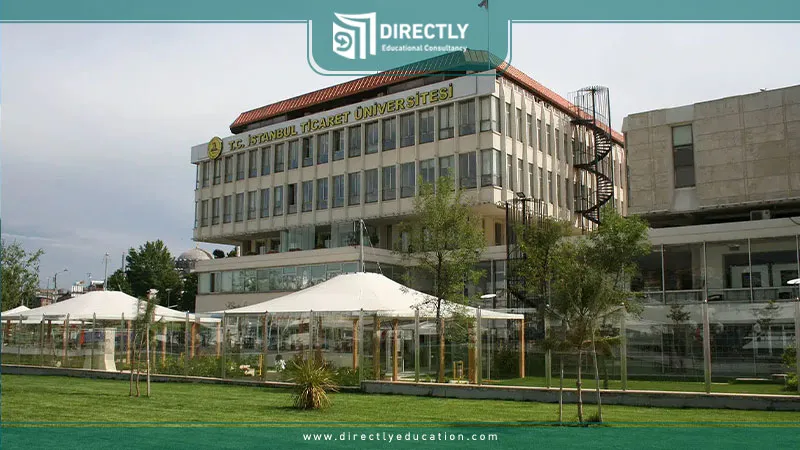
The part that overwhelms most students is not choosing Turkey. It is figuring out what happens after that decision. If you are searching for how to study in Turkey, you are usually not looking for theory. You want to know which university fits your grades, what documents are needed, how much it will cost, whether you can get a visa, and who can help you avoid mistakes that waste time.
Turkey remains one of the strongest options for international students who want a real university education at a cost that is often more manageable than many European destinations. It offers a wide range of programs, modern campuses, degrees recognized in many countries, and a student life that feels familiar to many Arab families while still giving students independence and opportunity. But the process is only easy when it is organized correctly from the beginning.
How to study in Turkey step by step
The shortest honest answer is this: you choose the right university and major, prepare your documents, secure your admission, complete visa and residence procedures, and arrange housing before arrival. Simple on paper. In practice, each step has details that can either move your file forward quickly or delay everything.
The first decision is not the city. It is the academic path. Many students start by saying they want Istanbul, Ankara, or a cheap option. That matters, but not before you answer three more important questions: what do you want to study, in which language, and with what budget?
A student interested in medicine, dentistry, engineering, business, or psychology will not face the same tuition ranges or admission conditions. A family looking for English-taught programs will also have a different shortlist than a student open to studying in Turkish. This is why the smart way to begin is by matching the student profile to the available universities, not by chasing the most famous name first.
Choose the right university, not just a popular one
Turkey has public and private universities, and the route for international students is often very different between the two. Public universities may offer lower tuition, but they are usually more competitive, more limited in available seats for foreigners, and more demanding in terms of exams or timing. Private universities in Turkey are often the more practical path for international students because they provide wider seat availability, multiple language options, and a faster, clearer admission process.
That does not mean every private university is automatically the right choice. Recognition, academic strength, campus facilities, internship opportunities, location, and yearly tuition all matter. A university with a lower sticker price may end up costing more if the city is expensive, the language support is weak, or the major is not a strong fit for the student’s future plans.
For many families, the real goal is not just getting admitted anywhere. It is securing a recognized university, in a suitable major, within a budget they can sustain for the full degree. That is where guided admission support becomes valuable, especially when the student wants to compare several universities at once instead of applying blindly.
Documents you usually need to apply
One reason students lose time is assuming every university asks for the exact same file. There is overlap, but details vary. In most cases, international students should expect to prepare a passport copy, high school certificate or graduation document, transcript, personal photo, and contact details. Some universities may also ask for proof of language level, and some majors can require additional academic conditions.
If the student has not graduated yet, a current school certificate or expected graduation statement may be enough for a conditional start in some cases. If the certificate is issued in Arabic or another language, translation may be needed depending on the university and the stage of the process. This is one of those small details that seems minor until it delays an application window.
Parents often ask whether high grades are always necessary. The honest answer is that it depends on the major and university. Programs like medicine, dentistry, and pharmacy usually need stronger academic performance. Other majors may be more flexible. The key is not guessing. It is applying where the student’s profile has a realistic chance.
Language of study: English or Turkish?
This is one of the biggest planning decisions in the whole journey. If you want to study in Turkey in English, your options are strong, especially in private universities. Many popular majors are available in English, including engineering, business, international relations, software-related fields, and health sciences in selected institutions.
But English-taught study is not automatically better for every student. Turkish-taught programs can be more affordable, and students who plan to build their career inside Turkey may benefit from stronger language integration. On the other hand, a student who wants wider international mobility may prefer English if their academic foundation is already solid.
If you do not yet have a language certificate, that does not always end the conversation. Some universities offer internal language placement or a preparatory year. That can be useful, but families should account for the extra time and cost. The best choice is the one that the student can actually succeed in, not the one that simply sounds more impressive.
Costs: what families should really budget for
Tuition is only one part of the total cost. A realistic study plan in Turkey should include university fees, housing, transportation, food, books, health insurance, residence permit expenses, and personal spending. Istanbul is attractive, but it is not always the most economical option. Other cities may offer better value depending on the university and lifestyle.
This is where many students make a mistake. They choose based on the lowest advertised tuition and then discover the city costs more than expected, or that they still need extra fees for registration, dorms, and official paperwork. A better approach is to calculate the full first-year cost before making any final decision.
Scholarships and discounts can make a major difference, especially at private universities where promotional offers and agency-supported reductions may be available. That is why working with an accredited educational advisor can save more than just time. It can also protect the family from choosing an option that looks cheap at first but is financially difficult to continue.
Visa, arrival, and residence are part of the plan
Admission alone is not the finish line. After acceptance, students usually need an official acceptance document or invitation, then move to the student visa stage if their nationality requires it. After arriving in Turkey, the process continues with residence permit procedures and other local formalities.
This is exactly where stress rises for families, because the academic file and the legal file start to overlap. Deadlines matter. Document names matter. Even housing can affect what happens next, because students need a stable address for parts of the process.
A well-managed file should treat admission, visa preparation, housing coordination, and post-arrival setup as one connected journey. When these parts are handled separately, mistakes become more likely. When they are coordinated step by step, the student can focus on preparing for university instead of chasing paperwork.
How to study in Turkey without costly mistakes
The biggest mistake is waiting too long to start. The second biggest is applying without a clear shortlist. Students often send random applications, then compare offers too late, after time has been lost and better choices are no longer available.
Another common problem is choosing a major based on trend rather than fit. A student may insist on medicine, for example, while the budget, grades, or long-term plan make another health field far more practical. There is no value in winning admission to a path the student cannot sustain academically or financially.
It also helps to think beyond admission day. Ask whether the university is recognized where you may later work or continue studying. Ask about campus support, transport, internship access, and the actual student environment. A good decision is not the fastest one. It is the one that still makes sense a year later.
For students who want the process handled with less friction, services like those offered by Directly Education can be especially useful because the support is not limited to sending an application. It can include university selection, free admission assistance, visa guidance, housing coordination, and practical follow-up after arrival. That kind of support matters when the goal is not just to get accepted, but to settle in and start strong.
Turkey offers real opportunity, but the best results usually come from a clear plan, not trial and error. If you treat each step seriously from the beginning, the path becomes much more manageable – and you can keep your focus where it belongs, on building your future through study rather than getting stuck in the process.