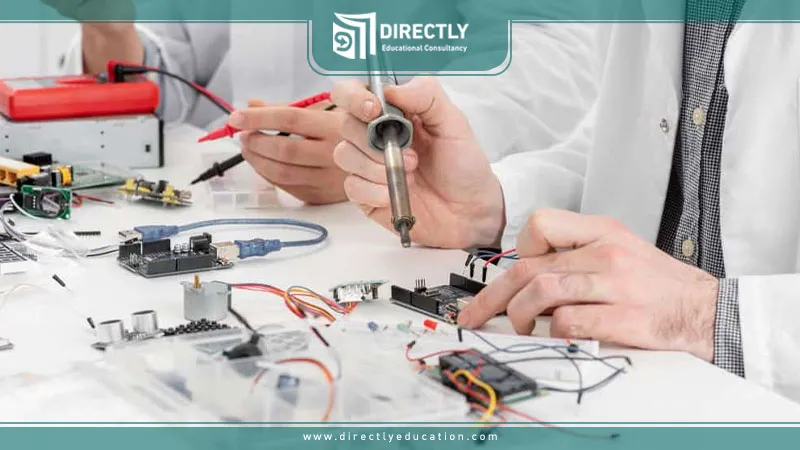
The Electrical and Electronics Engineering program at Hasan Kalyoncu University combines engineering education in English with the practical experience students need before entering the job market. The program provides broad coverage of circuits, electronics, communications, energy, and digital systems, along with internships and laboratory courses that connect engineering knowledge with practical applications.
If you are considering studying Electrical and Electronics Engineering at Hasan Kalyoncu University in 2026, this Directly guide provides clear information about admission requirements, tuition fees, the language and duration of study, the curriculum, laboratories, the CO-OP program, academic accreditation, and career opportunities after graduation.
Contact the Directly team to learn about the tuition fees and scholarships currently available and to review your chances of admission before starting the application process.
About Electrical and Electronics Engineering at HKU
The Electrical and Electronics Engineering program at Hasan Kalyoncu University focuses on electrical and electronic systems, from engineering fundamentals to applications related to energy, communications, control systems, and digital circuits. During the Bachelor’s in Electrical and Electronics Engineering at Hasan Kalyoncu University, students take courses in mathematics, physics, programming, electronics, electrical circuits, microprocessors, and communication systems.
Electrical and Electronics Engineering at Hasan Kalyoncu University is taught in English within a program that combines theoretical study, laboratory work, and professional training throughout the academic years. The Electrical and Electronics Engineering curriculum at Hasan Kalyoncu University also provides students with a broad technical foundation that can later help them pursue fields such as energy, electronics, automation, embedded systems, and communications.
Admission Requirements for Electrical Engineering at HKU
Hasan Kalyoncu University requires international students applying for the Bachelor’s in Electrical and Electronics Engineering to have completed high school and submit an academic file eligible for evaluation, while meeting the admission requirements announced by the university for the 2026–2027 academic year.
The application file includes:
- High school diploma or official graduation certificate.
- High school transcript covering all years of study.
- A valid copy of the passport. The university accepts temporary identity documents for Syrian students according to the current application instructions.
- Recent biometric photograph.
- Proof of English proficiency through certificates accepted by the university for English-taught programs.
- A TR-YÖS score of at least 200 out of 500 or an SAT score of at least 1000 out of 1600, including at least 500 out of 800 in the Mathematics section, according to the published admission scores for international students.
Send your documents to the Directly team so we can verify that you meet the Electrical and Electronics Engineering admission requirements at Hasan Kalyoncu University before submitting your application.

How to Apply for Electrical Engineering at HKU
Applying for Electrical and Electronics Engineering at Hasan Kalyoncu University begins with preparing the student’s file and confirming that the admission requirements are met. The application is then submitted and followed until the university announces its decision. The application process for international students proceeds as follows:
- Prepare your high school diploma, transcript, passport, personal photograph, and other required documents.
- Review the admission requirements and accepted test scores before submitting the application.
- Select the English-taught Electrical and Electronics Engineering program in the application.
- Upload the required documents to the university’s online application system.
- Submit the application and wait for the admissions office to review the file.
- Follow the admission letter and instructions for completing registration and paying tuition fees if accepted.
- Complete the final registration procedures and submit the documents required by the university within the specified deadlines.
You can apply through Directly to have your file reviewed and receive assistance throughout the Electrical and Electronics Engineering registration process at Hasan Kalyoncu University until the admission procedures are completed.
Read also: Required Documents for Hasan Kalyoncu University 2026
Electrical Engineering Tuition Fees at HKU 2026
Electrical and Electronics Engineering tuition fees at Hasan Kalyoncu University for international students are $4,500 per year according to the currently available tuition data. The program is taught in English and lasts four academic years, bringing the basic tuition cost to approximately $18,000 for four years if the annual tuition fee remains unchanged.
This amount does not include accommodation, living costs, or personal expenses. The amount required at registration also depends on the admission letter issued to the student.
| Program Information | Details |
| Program | Electrical and Electronics Engineering |
| Degree | Bachelor’s Degree |
| Language of Instruction | English |
| Duration | 4 years |
| Annual Tuition Fee | $4,500 |
| 4-Year Cost at Current Tuition | $18,000 |
| Accommodation and Living Costs | Not included in tuition fees |
Contact the Directly team to learn about Electrical and Electronics Engineering tuition fees at Hasan Kalyoncu University in 2026 and the payment required at registration before submitting your application.
Program Language and Duration at HKU
Students study Electrical and Electronics Engineering at Hasan Kalyoncu University in English, helping them develop familiarity with the engineering and academic terminology used in technical references and the international job market. The duration of the Electrical and Electronics Engineering program at Hasan Kalyoncu University is four academic years divided into eight semesters according to the official curriculum.
The academic years include fundamental and specialized courses in circuits, electronics, energy, communications, and control systems, in addition to laboratory courses and practical applications. Students who do not meet the English language requirements upon admission may need to complete an English preparatory year depending on their proficiency exam results and university regulations.
Read also: What Is Hasan Kalyoncu University’s Ranking Locally and Globally?
Electrical Engineering Laboratories at HKU
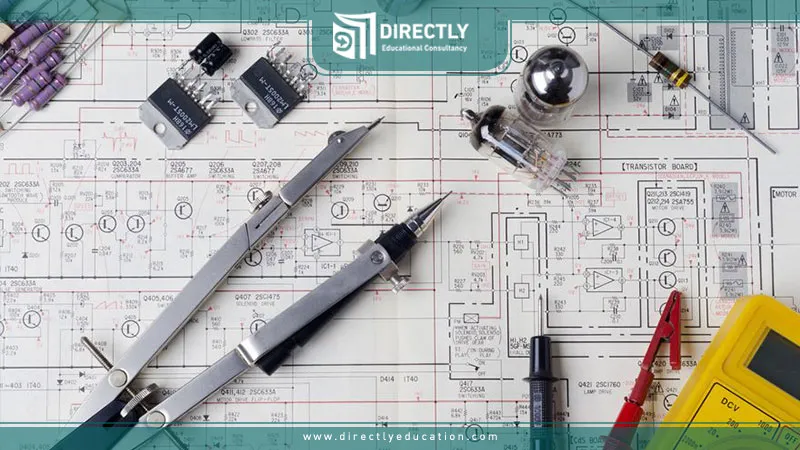
The Electrical and Electronics Engineering laboratories at Hasan Kalyoncu University provide students with a practical environment where they can apply what they learn in lectures, from building and testing circuits to simulation, communications, and control systems.
The curriculum includes independent laboratory courses linked to several core subjects, helping students understand the practical side of the field and gain direct experience with experiments, software, and engineering equipment.
Key areas and laboratories associated with the program include:
- Electrical and Electronics Circuits Laboratory.
- Microprocessors Laboratory.
- Digital Signal Processing Laboratory.
- Electrical Machines and Power Electronics Laboratory.
- Communications Laboratory.
- Simulation Laboratory.
- Software and Development Laboratory.
- Automation and Control Systems Laboratory.
- Electrical Circuit Analysis Laboratories.
- Electronics and Electromechanical Energy Conversion Laboratories.
Why Study Electrical Engineering at HKU?
The Electrical and Electronics Engineering program at Hasan Kalyoncu University combines English-medium education, laboratory applications, and professional training through the CO-OP program with a curriculum covering a broad range of fields within the discipline.
Students benefit from an academic environment that helps them progress from engineering fundamentals to applications related to energy, electronics, communications, control systems, and embedded systems.
Key advantages of studying Electrical and Electronics Engineering at Hasan Kalyoncu University include:
- The entire program is taught in English.
- Laboratories covering circuits, electronics, communications, microprocessors, energy, and control systems.
- Access to the CO-OP program to gain practical experience with partner companies during the degree.
- The program holds MÜDEK and EUR-ACE accreditation until September 30, 2026, according to the current official list.
- Electrical and Electronics Engineering courses cover energy, communications, electronics, control systems, and programming.
- Independent practical and laboratory courses are included in the curriculum.
- Graduates can pursue a wide range of career paths across technical, engineering, and industrial sectors.
Read also: Future of Computer Engineering Graduates at Hasan Kalyoncu University
Apply to Hasan Kalyoncu University Through Directly
If you are planning to study Electrical and Electronics Engineering at Hasan Kalyoncu University, you can start your application through the Directly team and receive clear support from preparing your file through completing registration. We review your information and documents before submission and explain the current tuition fees and admission steps so you know exactly what is required at each stage.
Our application support includes:
- Reviewing the program’s admission requirements.
- Making sure your documents are complete and valid for application.
- Explaining the tuition fees and scholarships available when you apply.
- Submitting the student’s application to the university.
- Following up on the admission result with the student.
- Guiding you through payment and final registration procedures after admission is issued.
Contact the Directly team now to learn about Electrical and Electronics Engineering tuition fees at Hasan Kalyoncu University in 2026 and start your application process.