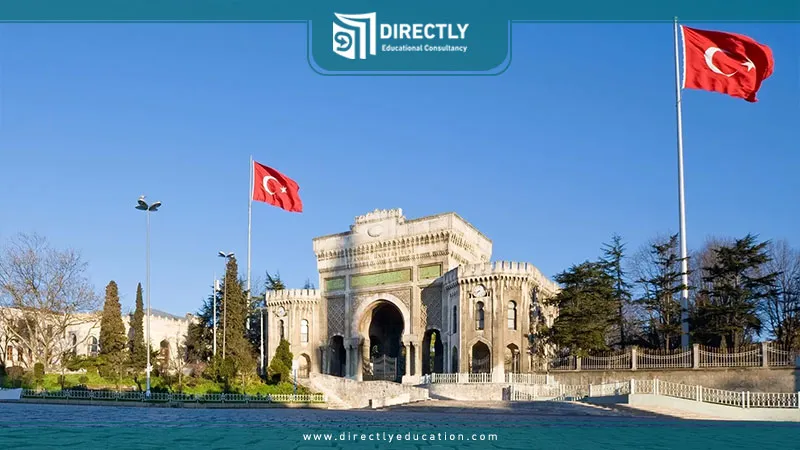
Many students are interested in studying Radio, Television, and Cinema at Fenerbahçe University because it is a media major that combines creativity, visual production, writing, filming, and directing. Studying this field in Turkey, especially in Istanbul, provides students with exposure to a dynamic media environment that blends traditional media with modern digital platforms.
In this article, you will learn everything you need to know before studying Radio, Television, and Cinema at Fenerbahçe University, including advantages, admission requirements, tuition fees, language of study, courses, and career opportunities after graduation.
Advantages of Studying Radio, Television, and Cinema at Fenerbahçe University
Radio, Television, and Cinema at Fenerbahçe University is an excellent choice for students who want to enter the field of audiovisual media and work in a creative, technology-driven environment.
- The program combines theoretical knowledge with practical application, allowing students to understand media production from multiple perspectives.
- It focuses on essential production skills such as filming, directing, editing, and scriptwriting.
- It helps students understand how radio, television, cinema, and digital platforms operate.
- It is suitable for students interested in visual storytelling, video production, and creative media.
- It offers diverse career opportunities in media production, directing, filming, editing, and content creation.
- Studying in Istanbul provides exposure to a vibrant and evolving media and creative industry.
Admission Requirements for Radio, Television, and Cinema at Fenerbahçe University
Admission requirements are relatively flexible but include essential criteria:
- A high school diploma with a suitable GPA
- Academic transcripts
- Proof of Turkish language proficiency or enrollment in a preparatory year
- A valid passport
- Completed application form
Requirements may vary depending on the academic year, so it is recommended to verify details before applying.
Read More: Top Private Universities in Istanbul: The Complete Student Guide
Tuition Fees for Radio, Television, and Cinema at Fenerbahçe University
Tuition fees are approximately 3,600 USD per year for the Turkish-taught program.
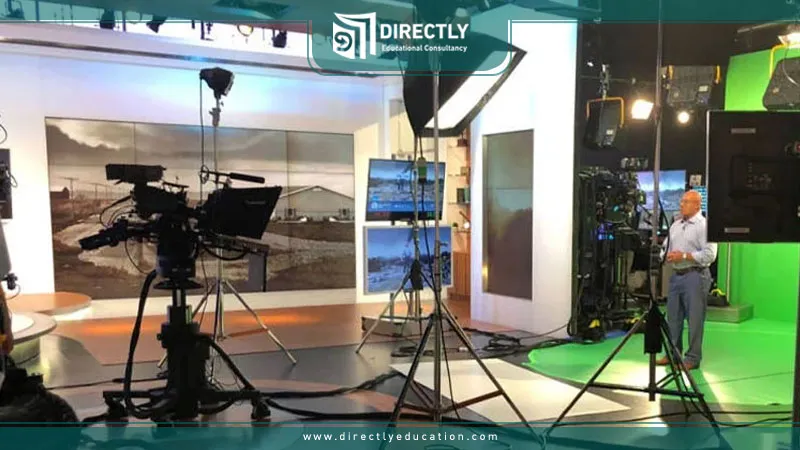
These fees are considered reasonable compared to media and communication programs at private universities in Turkey, especially given the program’s balance between theoretical and practical training in television and cinematic production.
It is recommended to confirm the exact fees during the application process, as they may change.
Language of Study for Radio, Television, and Cinema at Fenerbahçe University
The program is taught in Turkish, which is the primary language of instruction.
Studying in Turkish is suitable for students who plan to work in Turkey in media and audiovisual production, as the field requires direct communication within local work environments.
If students do not meet the required language level, they can enroll in a preparatory year before starting the program to improve their language skills and better understand academic and technical terminology.
Courses in Radio, Television, and Cinema at Fenerbahçe University
The curriculum combines foundational media knowledge with practical production skills, enabling students to develop real-world experience in audiovisual content creation.
- Introduction to Media provides an overview of traditional and digital media development.
- Communication Theories explain how media messages influence audiences and how communication works.
- Media Writing develops skills in writing scripts for television, radio, and film.
- Television Production trains students in program planning, filming, and directing.
- Film Production introduces the process of filmmaking from concept to final production.
- Directing focuses on managing scenes, camera work, and coordinating production teams.
- Cinematography teaches camera techniques, lighting, and visual composition.
- Editing develops professional video editing and storytelling skills.
- Audio and Radio Production introduces sound recording and radio program production.
- Practical Projects and Training provide hands-on experience and real-world application.
Advanced stages may include elective courses that allow students to specialize in directing, production, or visual media.
Read More: How to apply to the best private university in Turkey
Career Opportunities for Graduates of Radio, Television, and Cinema
This major offers wide career opportunities, especially with the growing demand for audiovisual content across platforms.
- Television production roles in program creation, filming, and directing
- Film production careers in directing, producing, and screenwriting
- Directing roles in managing creative teams and media projects
- Cinematography opportunities in media and advertising production
- Video editing roles in post-production and content creation
- Radio and podcast production in audio media
- Digital content creation for platforms like YouTube and social media
- Media and advertising roles in campaign production and promotion
Career prospects improve significantly with strong practical skills, production experience, and teamwork abilities.
Difference Between Radio, Television, and Cinema and New Media
Many students confuse these fields, but they differ in focus and application.
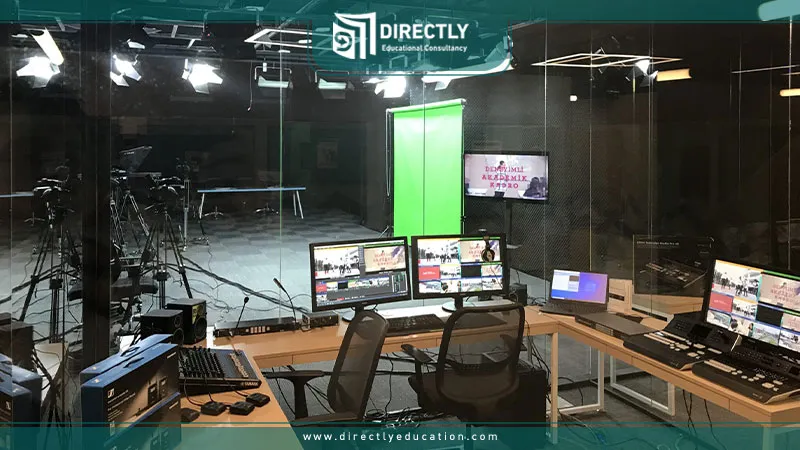
- Radio, Television, and Cinema focuses on audiovisual production such as TV programs, films, radio content, filming, directing, and editing.
- New Media focuses on digital content and online platforms such as social media, websites, podcasts, and short-form videos.
In simple terms, Radio, Television, and Cinema is about producing visual and audio media, while New Media focuses on publishing and managing content in digital environments.
Read More: Is Management Information Systems at FBU Right for You?
How Directly Helps You Apply
Directly simplifies your application process and helps you avoid common mistakes:
- Helping you choose the right program based on your interests
- Explaining admission requirements clearly
- Reviewing your documents to ensure accuracy and completeness
- Guiding you on language requirements and preparatory options
- Submitting and tracking your application
- Helping you secure admission
- Supporting you with visa, accommodation, and travel arrangements
This ensures a smooth and organized application experience.
Studying Radio, Television, and Cinema at Fenerbahçe University is an excellent option for students who want to enter the field of audiovisual media and work in television production, filmmaking, and content creation. With a clear understanding of the program’s advantages, requirements, fees, language, courses, and career opportunities, making the right academic decision becomes easier.
If you want to apply in a structured way, you can contact Directly for personalized support and step-by-step guidance.