
Many students search for the admission requirements for Interior Architecture and Environmental Design at Fenerbahçe University, as this major combines artistic creativity with an engineering understanding of spaces. It is considered a suitable option for those who want to work professionally in design and interior architecture fields. Interest is not limited to admission requirements alone, but also includes understanding the nature of the program, language of study, curriculum, tuition fees, and its suitability for international students.
In this article, you will gain a clear understanding of studying Interior Architecture and Environmental Design at Fenerbahçe University, starting from admission requirements and required documents, through the language of study and program duration, to the curriculum, tuition fees, and future career opportunities—helping you make an informed decision before applying.
Overview of Interior Architecture and Environmental Design at Fenerbahçe University
Interior Architecture and Environmental Design at Fenerbahçe University is a major that combines artistic and engineering aspects. It focuses on designing interior spaces in a way that balances aesthetics, functionality, and sustainability. The program aims to equip students with the skills to organize and enhance spaces based on user needs, comfort, and efficiency standards.
Students study design fundamentals, materials, colors, and lighting, along with architectural and environmental principles, giving them a comprehensive understanding of how to create practical and visually appealing spaces. The program also includes strong practical components through design projects that help students develop real-world skills.
The program is offered within the Faculty of Architecture and Design and is available in both English and Turkish, making it suitable for international students seeking a creative academic environment in Istanbul.
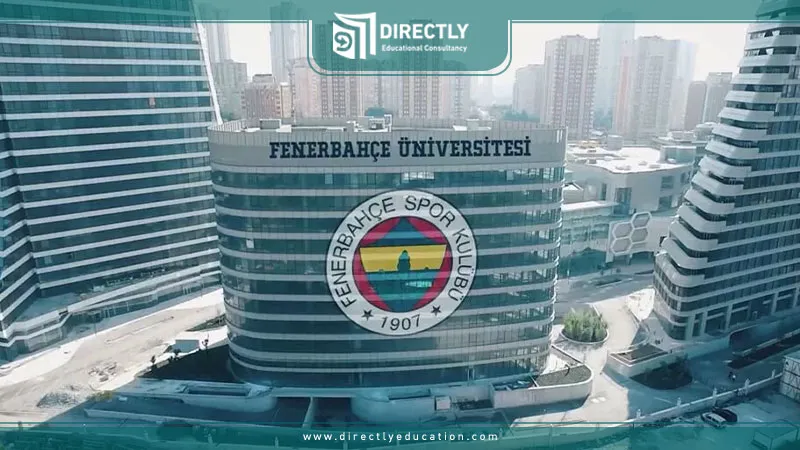
Admission Requirements for Interior Architecture and Environmental Design at Fenerbahçe University
Admission requirements are relatively flexible compared to some other majors, but there are essential criteria to ensure students can successfully pursue this field.
- A high school diploma with a suitable GPA
- Academic transcripts demonstrating performance
- Proof of English proficiency if the program is taught in English, or enrollment in a preparatory year if needed
- A valid passport as a core application document
- Completion and submission of the application form with all required documents
- Interest or background in design or arts can be an advantage
Requirements may vary slightly depending on the academic year or university policies, so it is always recommended to verify details before applying.
Read More: Master’s in Architecture in Turkey: Costs & Requirements
Language of Study for Interior Architecture and Environmental Design at Fenerbahçe University
The program is offered in both English and Turkish, giving students flexibility based on their language proficiency and future goals.
Studying in English is ideal for students aiming to work in international environments or pursue studies abroad, while Turkish programs are suitable for those planning to work in Turkey.
If the student does not meet the language requirement, a preparatory year can be taken before starting the major.
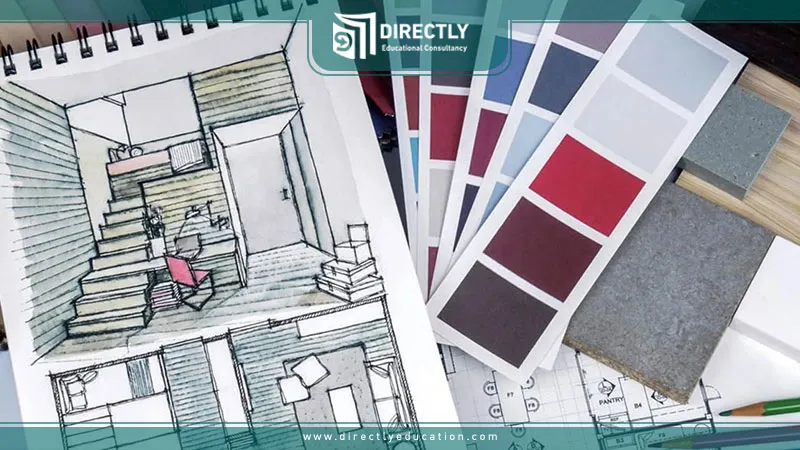
Duration of Studying Interior Architecture and Environmental Design
The program typically takes 4 years (8 semesters), which is the standard duration for a bachelor’s degree.
If a preparatory language year is required, the total duration becomes 5 years.
During this time, students progress from design basics to advanced projects focused on spatial design and user experience.
Courses in Interior Architecture and Environmental Design
The curriculum starts with foundational artistic and engineering concepts, then progresses toward specialized design-focused subjects.
- Students begin with design basics, technical drawing, and architectural history
- Then move to interior space design, lighting, materials, and furniture design
- Environmental topics such as sustainability and energy efficiency are included
- Practical design projects are integrated throughout the program
- Advanced stages include electives in specialized design fields
This structure ensures a balance between theory and real-world application.
Tuition Fees for Interior Architecture and Environmental Design at Fenerbahçe University
Tuition fees range between 3,800 and 4,500 USD per year, depending on the language of study and program details.
Programs taught in Turkish are generally more affordable, while English-taught programs tend to be higher in cost.
Read More: Top 7 Engineering Specializations in Turkey for the Future
Challenges of Studying Interior Architecture and Environmental Design
Like any creative field, this major comes with challenges that require commitment and consistency.
- Projects require significant time and effort
- Developing creative thinking may be difficult at the beginning
- Technical tools and software require continuous practice
- Project deadlines can be demanding
- Evaluation depends heavily on project quality
- Balancing aesthetics and functionality can be challenging
These challenges are part of the learning process and become strengths over time.
Future of Interior Architecture and Environmental Design and Career Opportunities
This major has promising career prospects, especially with increasing demand for sustainable and functional design.
- Interior design for residential and commercial spaces
- Work in architecture and design firms
- Commercial space design such as retail and restaurants
- Project management and execution
- Furniture design
- Freelance design work
- Sustainable and environmental design
Career success depends largely on skills, portfolio strength, and practical experience.
Read More: Fenerbahçe University Ranking 2026: Local and Global
Difference Between Interior Architecture, Interior Design, and Environmental Design
Interior architecture focuses on structural and spatial planning within buildings
Interior design focuses on aesthetics such as furniture, colors, and lighting
Environmental design emphasizes sustainability and eco-friendly solutions
Together, they form a comprehensive approach to modern design.
How Directly Helps You Apply
Directly simplifies your application process and helps you avoid common mistakes.
- Helping you choose the right program
- Explaining admission requirements clearly
- Reviewing your documents
- Guiding you on language requirements
- Submitting and tracking your application
- Helping you secure admission
- Supporting you with visa and accommodation
This makes your journey smoother and more organized.
Studying Interior Architecture and Environmental Design at Fenerbahçe University is a strong option for students seeking a creative and practical career path. With a clear understanding of admission requirements, curriculum, costs, and career opportunities, making the right decision becomes easier.
If you want to apply in a structured way and fully understand every step, you can contact Directly for personalized guidance and support throughout your application journey.